

TL;DR:
- Adopting healthy lifestyle choices can reduce cancer risk by over 45 percent and make a significant impact.
- Vaccinations and early screenings play crucial roles in preventing specific viral-related and other types of cancer.
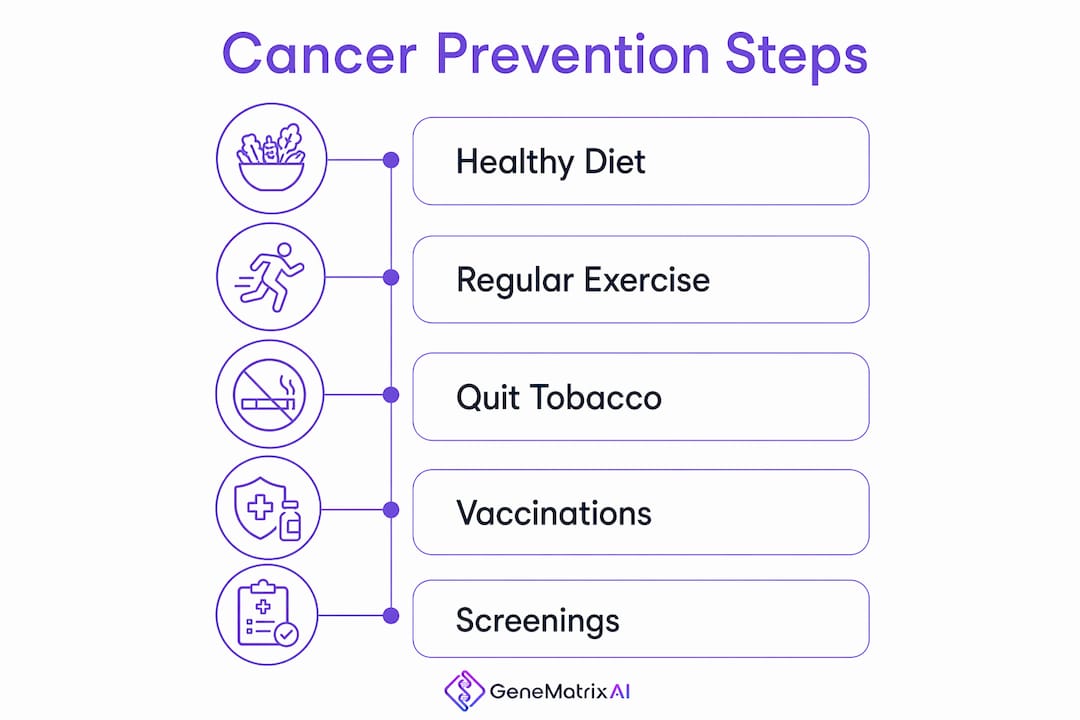
Proactive cancer prevention is defined as the deliberate use of lifestyle choices, medical screenings, and vaccinations to reduce your personal cancer risk before disease develops. Consistent daily decisions can lower cancer risk by more than 45%, according to global research cited by Cleveland Clinic in 2026. That figure means nearly half of all cancer cases are potentially avoidable. Knowing how to prevent cancer proactively puts real power in your hands, and the science behind it is stronger than ever.
What are the most effective lifestyle changes to prevent cancer?
Lifestyle modification is the foundation of any cancer prevention strategy. The changes below are not theoretical. Each one has direct, measurable evidence linking it to lower cancer risk across multiple cancer types.
Tobacco: the single most impactful step
Tobacco use is the leading preventable cause of many cancers, including lung, throat, bladder, and kidney cancer. Quitting at any age reduces risk over time. The benefit begins within months of stopping and compounds over years.

Exercise: 150 minutes per week is the target
Physical activity at 150+ minutes weekly is the current evidence-based recommendation for lowering cancer risk and supporting overall health. Exercising two or more hours weekly links directly to reduced risk for breast, lung, and head and neck cancers. Exercise lowers inflammation, regulates hormones, and supports immune function. All three of those mechanisms reduce cancer risk.
Diet: what you eat matters more than you think
A diet built around cruciferous vegetables, fruits, whole grains, and plant-based oils delivers measurable protection. A large-scale study of 27,000 participants found that high consumption of cruciferous vegetables reduces risk for at least six cancer types compared to low consumption. That is a striking finding for a single food category. Swapping unhealthy fats for plant oils like olive oil and canola oil also reduces risk. Diet quality is not just about adding good foods. It is equally about replacing harmful ones.
Other key lifestyle factors
- Maintain a healthy weight. Excess body fat drives hormonal changes that increase risk for breast, colon, and endometrial cancers.
- Limit alcohol. Alcohol is a known carcinogen. Reducing intake lowers risk for liver, breast, and colorectal cancers.
- Protect your skin. SPF 30+ sunscreen, protective clothing, and avoiding peak UV hours reduce skin cancer risk significantly.
- Manage stress and sleep. Chronic stress and poor sleep weaken immune surveillance, the body's first line of defense against abnormal cell growth.
Pro Tip: You do not need to overhaul everything at once. Small, sustainable changes made consistently accumulate into meaningful risk reduction over time, according to Dr. Kamath at Cleveland Clinic.
How do vaccinations and safe practices add to cancer prevention?
Vaccines are one of the most underused cancer prevention tools available. Two vaccines in particular prevent cancers caused by viral infections.
- HPV vaccine: The human papillomavirus vaccine protects against cervical, throat, and anal cancers. HPV and hepatitis B vaccines are most effective before exposure but carry benefits for adults who were not vaccinated earlier.
- Hepatitis B vaccine: Chronic hepatitis B infection is a primary driver of liver cancer. Vaccination eliminates that risk pathway entirely.
- Safe sex practices: Using barrier protection reduces exposure to HPV and hepatitis B, both of which cause cancer. This is a direct, controllable behavior that lowers viral cancer risk.
- Talk to your doctor about your vaccination history. Many adults are not fully vaccinated against HPV or hepatitis B. A single conversation with your physician can close that gap.
Vaccines work best as part of a broader cancer prevention strategy. They address the viral causes of cancer that lifestyle changes alone cannot prevent. Combining vaccination with healthy behaviors creates overlapping layers of protection.
What role do cancer screenings play in proactive cancer prevention?
Screenings do more than catch cancer early. Some screenings actively prevent cancer from forming. That distinction matters.
Colonoscopy at age 45 is recommended by the U.S. Preventive Services Task Force. During a colonoscopy, a physician can remove precancerous polyps before they become malignant. The screening does not just detect cancer. It stops it. Screenings that remove precancerous lesions represent one of the most direct forms of cancer prevention available.
Common screening types and starting ages
| Cancer type | Screening method | Recommended starting age |
|---|---|---|
| Colorectal | Colonoscopy or stool test | 45 |
| Breast | Mammogram | 40 (discuss with doctor) |
| Cervical | Pap smear / HPV test | 21 |
| Lung | Low-dose CT scan | 50 (if high-risk smoker) |
| Skin | Dermatologist exam | Any age with risk factors |
Screening guidelines are not one-size-fits-all. Your personal risk profile, including family history and genetic factors, changes when and how often you should be screened. People with a family history of BRCA1, BRCA2, or Lynch syndrome mutations often need earlier and more frequent screening than standard guidelines suggest.
Pro Tip: Review your cancer screening schedule with your doctor every year, not just when something feels wrong. Preventive care works best before symptoms appear.
Hereditary cancer testing gives you a clearer picture of your inherited risk, so your screening plan reflects your actual biology rather than population averages. Genematrix's GeneCancer module tests for BRCA1, BRCA2, Lynch syndrome, and other hereditary markers, delivering results within 72 hours through its AI-driven GeneMatrixAI platform.
How to implement and sustain cancer prevention in daily life
Knowing what to do is only half the equation. The harder part is building habits that last. These steps make that transition practical.
- Set one small goal this week. Add one serving of cruciferous vegetables to your daily meals. Walk for 30 minutes three times this week. Small wins build momentum.
- Schedule your screenings now. Do not wait for your next annual physical. Call your doctor's office today and ask which screenings are due based on your age and family history.
- Book your vaccinations. Check your HPV and hepatitis B vaccination records. If you are not fully vaccinated, schedule the remaining doses.
- Plan your exercise week in advance. People who schedule workouts are more likely to complete them. Treat 150 minutes of weekly activity as a non-negotiable appointment.
- Replace one dietary habit at a time. Swap butter for olive oil. Replace processed snacks with fruit and nuts. Gradual substitutions are more sustainable than complete dietary overhauls.
- Use sun protection as a daily habit, not a beach habit. Apply SPF 30+ every morning, even on cloudy days. UV exposure accumulates year-round.
- Get a skin cancer screening if you have a history of significant sun exposure. Early detection of skin cancer dramatically improves treatment outcomes.
- Consider genetic testing. If cancer runs in your family, gene-based cancer risk assessment gives you specific, personalized information that general guidelines cannot provide.
Cancer prevention is also critical for people who have already had cancer, since the same strategies reduce the risk of recurrence. Prevention is not a one-time event. It is a lifelong practice.
Key Takeaways
Proactive cancer prevention requires combining consistent lifestyle habits, timely vaccinations, regular screenings, and personalized genetic risk assessment to achieve the greatest possible risk reduction.
| Point | Details |
|---|---|
| Lifestyle changes cut risk significantly | Daily decisions around diet, exercise, and tobacco avoidance can lower cancer risk by more than 45%. |
| Vaccines prevent viral cancers | HPV and hepatitis B vaccines eliminate cancer risk pathways that lifestyle changes alone cannot address. |
| Screenings prevent, not just detect | Colonoscopy and similar tests remove precancerous lesions before they become cancer. |
| Genetic risk changes your screening plan | Family history of BRCA1, BRCA2, or Lynch syndrome means earlier and more frequent screening is needed. |
| Small habits beat big overhauls | Sustainable, incremental changes deliver more cumulative benefit than short-term dramatic shifts. |
Why I think most people underestimate what they can actually control
Most people treat cancer as something that either happens to you or it doesn't. That fatalism is understandable, but it is also wrong. The evidence is clear: nearly half of cancer cases are preventable through choices you make every day.
What I find most striking is how few people act on that knowledge. They know smoking causes cancer. They know exercise helps. But they wait for a diagnosis to take it seriously. That is the wrong order of operations.
Genetics do matter. You cannot change your BRCA1 status or your Lynch syndrome risk. But knowing your genetic profile is not a reason to feel powerless. It is a reason to screen earlier, adjust your diet more deliberately, and work with a physician who understands your specific risk. Genematrix exists precisely for that purpose. The GeneCancer module turns a genetic profile into a concrete prevention plan.
The other thing I want to push back on is the idea that prevention requires perfection. It does not. A person who exercises four days a week, eats mostly well, and gets their screenings on time is doing far more than most. Progress compounds. You do not need to eliminate every risk. You need to reduce enough of them, consistently enough, that your body's defenses stay ahead of the threat.
Start where you are. Add one habit. Schedule one screening. The cumulative effect of those decisions, made year after year, is what prevention actually looks like.
— Tarek
Genematrix and your hereditary cancer risk
Understanding your lifestyle risk is a strong start. Understanding your genetic risk is what makes prevention truly personal.

Genematrix is a CLIA-certified biotechnology company based in Chicago. Its GeneMatrixAI platform analyzes hereditary cancer markers including BRCA1, BRCA2, and Lynch syndrome using AI trained on 500,000+ genetic profiles. Results arrive within 72 hours. The GeneCancer module gives you a clear picture of your inherited risk so you and your physician can build a screening and prevention plan that fits your actual biology. Genematrix serves patients nationwide and worldwide. If cancer runs in your family, hereditary cancer genetic testing is the logical next step in your prevention strategy.
FAQ
Can lifestyle changes really prevent cancer?
Consistent lifestyle decisions can lower cancer risk by more than 45%, according to global research. Diet, exercise, tobacco avoidance, and sun protection are the most evidence-backed behaviors.
At what age should I start cancer screenings?
Colorectal cancer screening starts at age 45 per U.S. Preventive Services Task Force guidelines. Cervical screening begins at 21, and breast screening discussions typically start at 40, though your personal risk may shift those timelines earlier.
Do HPV and hepatitis B vaccines prevent cancer?
Yes. The HPV vaccine prevents cervical, throat, and anal cancers. The hepatitis B vaccine prevents liver cancer linked to chronic viral infection. Both are most effective before exposure but remain beneficial for adults.
How does genetic testing fit into cancer prevention?
Genetic testing identifies inherited mutations like BRCA1, BRCA2, and Lynch syndrome that significantly raise cancer risk. That information allows you and your doctor to personalize your screening schedule and prevention plan beyond what standard guidelines recommend.
Is cancer prevention still relevant after a cancer diagnosis?
Cancer prevention strategies reduce the risk of recurrence after an initial diagnosis. The same habits, including diet, exercise, screenings, and tobacco cessation, apply and remain medically relevant throughout survivorship.