

TL;DR:
- Preconception genetic testing screens prospective parents for inherited disease risks before conception. It is recommended for all couples, regardless of family history, to identify carrier status and explore reproductive options early.
Preconception genetic testing is defined as a screening process that identifies inherited disease risks in one or both partners before conception occurs. The American College of Obstetricians and Gynecologists (ACOG) recommends carrier screening for all couples planning a pregnancy, regardless of family history or ethnic background. This guide to preconception genetics walks you through which conditions are screened, how the testing process works, and what your results actually mean. Conditions like cystic fibrosis, spinal muscular atrophy, and fragile X syndrome are among the most clinically significant targets. Testing typically involves a blood or saliva sample, and results come back within 2–3 weeks.
What does a guide to preconception genetics cover?
Preconception genetics, formally called reproductive genetic carrier screening, is the practice of testing prospective parents for gene variants that could cause serious inherited conditions in a child. A carrier is a person who carries one copy of a disease-causing gene variant but shows no symptoms. When both partners carry a variant for the same autosomal recessive condition, each pregnancy carries a 25% chance of the child being affected.
Professional guidance in 2026 recommends this screening for all individuals planning pregnancy, not just those with a known family history. That shift matters because most carriers have no idea they carry a variant until testing reveals it. Waiting for a family history red flag means missing the majority of at-risk couples.
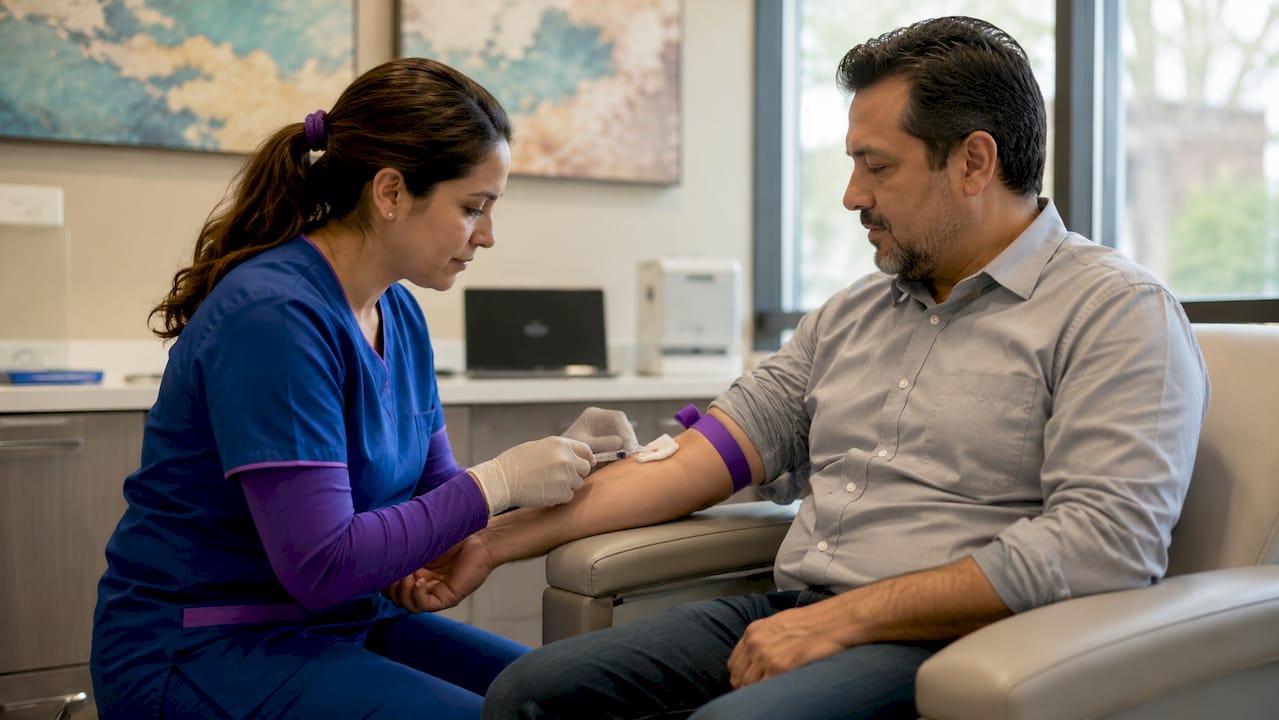
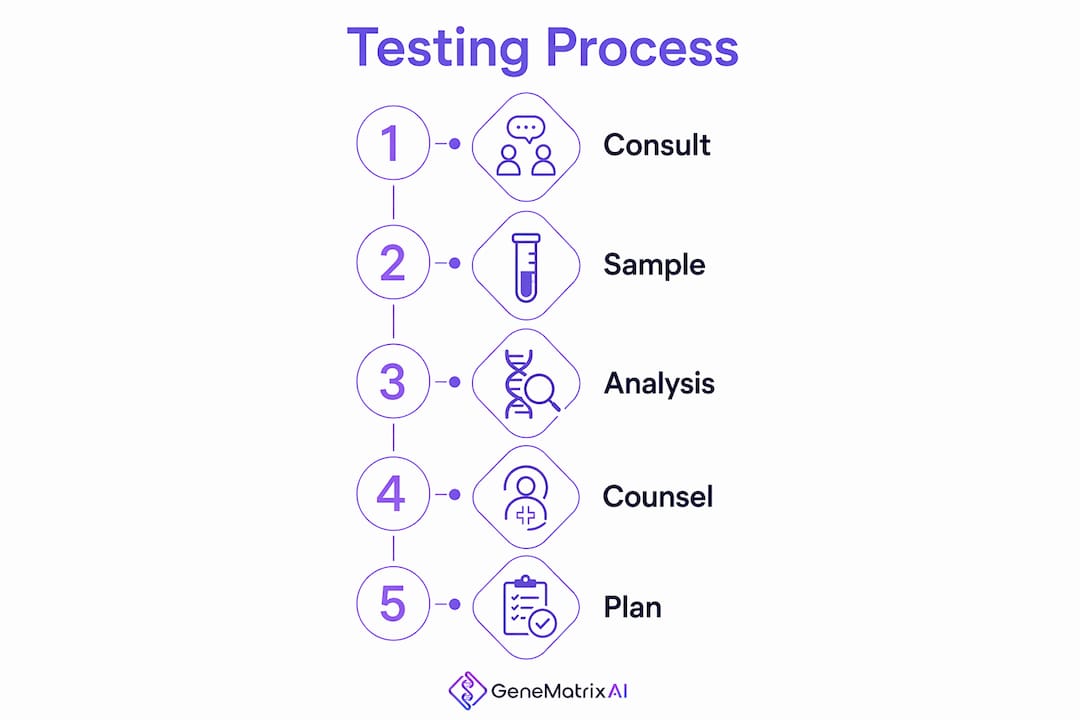
The testing process is straightforward. Your OB-GYN or primary care physician orders the test, you provide a blood or saliva sample, and a certified lab analyzes your DNA. Results typically return within 2–3 weeks. If you test positive as a carrier, your partner is then tested for the same condition, a process called reflex partner testing.
Which genetic conditions are commonly screened?
Carrier screening panels cover a wide range of inherited conditions, but three appear on virtually every major panel.
- Cystic fibrosis (CF): A life-limiting condition affecting the lungs and digestive system, caused by variants in the CFTR gene.
- Spinal muscular atrophy (SMA): A progressive neuromuscular disease that is the leading genetic cause of infant death.
- Fragile X syndrome: The most common inherited cause of intellectual disability and autism spectrum disorder, transmitted in an X-linked pattern.
- Sickle cell disease and thalassemia: Serious blood disorders more prevalent in certain populations but included on population-neutral panels.
- Phenylketonuria (PKU) and other metabolic disorders: Conditions manageable with early intervention but severe if undetected.
Expanded carrier screening using next-generation sequencing (NGS) now allows labs to test for hundreds of conditions in a single panel, regardless of your ancestry. That is a significant departure from older, ethnicity-based approaches that only screened for conditions common in specific populations. The practical implication is that couples of mixed heritage or unknown ancestry get a more complete picture of their risk.
One important caveat: carrier screening is not standardized. Panel content varies between labs and providers. What one lab calls a "severe" condition, another may classify differently. This variability means two couples who both "got screened" may have been tested for very different sets of conditions.
Pro Tip: Ask your provider exactly how many conditions are on the panel and whether it uses next-generation sequencing. A panel covering 100 conditions tells a very different story than one covering 500.
When and how should couples get tested?
Timing is the most underappreciated factor in preconception genetic testing. Clinicians recommend starting at least 6 months before you plan to conceive. That window gives you time to receive results, meet with a genetic counselor, and make informed decisions without the pressure of an existing pregnancy.
The testing workflow follows a clear sequence:
- Schedule a preconception appointment with your OB-GYN or primary care physician to discuss your family history and testing goals.
- Provide a sample. Blood draw or saliva collection takes minutes at a clinic or lab.
- Wait for results. Most labs return results within 2–3 weeks.
- Review results with your provider. If you test positive as a carrier, your partner undergoes reflex testing for the same condition.
- Meet with a genetic counselor if either partner tests positive or if results are inconclusive.
- Discuss reproductive options based on your combined carrier status and risk level.
The preconception window maximizes your reproductive choices. Options available before conception include natural conception with monitoring, IVF with preimplantation genetic testing (PGT), use of donor eggs or sperm, and adoption. Once a pregnancy is underway, several of those options are no longer available. Testing during pregnancy limits you to prenatal diagnosis and decisions made under significant time pressure.
Couples exploring adoption should also consider adoption genetic testing as part of their preconception planning. Understanding your own carrier status remains relevant even when pursuing non-biological paths to parenthood, particularly if you are considering embryo adoption or donor conception.
Pro Tip: Before your appointment, write down every condition you know of in both families going back two generations. Your provider will use that history to guide which panel is most appropriate for you.
For couples unsure how to initiate the referral process, understanding how a GP refers you for fertility testing can clarify the first practical step.
| Testing stage | Typical timeline | Key action |
|---|---|---|
| Initial appointment | 6+ months before conception | Discuss history, order test |
| Sample collection | Same day or within 1 week | Blood or saliva sample |
| Results returned | 2–3 weeks after sample | Review with provider |
| Reflex partner testing | If carrier found | Partner tested for same condition |
| Genetic counseling | After positive or complex results | Interpret results, plan next steps |
How do you interpret genetic testing results?
Test results fall into three categories, and understanding the difference between them prevents unnecessary panic or false reassurance.
- Negative result: No variants detected for the conditions on the panel. This reduces risk but does not eliminate it entirely, since no panel detects 100% of variants.
- Carrier result: One copy of a disease-causing variant detected. You will not develop the condition, but your child could be affected if your partner is also a carrier.
- Increased-risk result: Both partners carry variants for the same condition. Each pregnancy has a 25% chance of the child being affected, a 50% chance of the child being a carrier, and a 25% chance of neither.
Genetic counseling translates this data into real decisions aligned with your values and risk tolerance. A counselor does not tell you what to do. Instead, they explain what the numbers mean in plain terms, walk through your reproductive options, and provide psychological support throughout the process. That distinction matters because couples often arrive at appointments expecting a directive and leave feeling more equipped to make their own choice.
Psychosocial support after counseling is often needed long-term, particularly after a positive result. Anxiety does not always resolve after the initial session. Couples who know this in advance are better prepared to seek follow-up support rather than assuming one appointment is sufficient.
Pro Tip: Ask your genetic counselor specifically about the detection rate for each condition on your panel. A 95% detection rate means 5% of carriers could still be missed. That context changes how you interpret a negative result.
Understanding the benefits of genetic counseling extends well beyond preconception planning. The same process applies to hereditary cancer risk and medication response, making it a foundational tool in proactive health management.
Common questions couples ask about preconception testing
Should you get tested even without a family history? Yes. Most carriers have no family history of the condition. Carrier screening is recommended for all couples planning pregnancy, not just those with known risk factors. Family history is an incomplete signal.
What if only one partner is a carrier? If only one partner carries a variant for an autosomal recessive condition, the risk of an affected child is very low. Your provider will confirm whether the other partner needs testing and explain the residual risk.
Will insurance cover the cost? Coverage varies widely. Insurance reimbursement and regional access remain significant barriers to preconception screening. Contact your insurer before testing to confirm coverage. Many labs offer self-pay pricing tiers, and some clinics provide financial counseling.
How do you prepare emotionally for results? Educational materials reviewed before your clinical visit reduce anxiety and improve comprehension. Read about the conditions on your panel before results arrive. Knowing what a carrier result means before you receive one makes the conversation with your provider far less stressful.
What reproductive options exist after a positive result? Options include natural conception with prenatal monitoring, IVF with preimplantation genetic testing, donor gametes, and adoption. A genetic counselor will walk through each option in the context of your specific result and personal values.
Key Takeaways
Preconception genetic carrier screening gives couples the clearest picture of inherited risk before conception, and starting at least 6 months early preserves the full range of reproductive options.
| Point | Details |
|---|---|
| Screen regardless of family history | Most carriers have no known family history; universal screening catches risks that ancestry-based methods miss. |
| Start at least 6 months early | Early testing preserves options like IVF with preimplantation genetic testing that are unavailable once pregnancy begins. |
| Panels vary significantly | Ask your provider how many conditions are covered and whether next-generation sequencing is used. |
| Carrier status is not a diagnosis | One carrier partner poses very low risk; both partners carrying the same variant creates a 25% chance of an affected child. |
| Genetic counseling is not optional | Counselors translate complex results into decisions aligned with your values, and follow-up support is often needed after positive results. |
What I've learned from watching couples navigate this process
Couples who come to preconception genetic testing with the right expectations get the most out of it. The ones who struggle are usually those who expected a simple yes or no and instead received a nuanced carrier result that required weeks of follow-up conversations.
The biggest mistake I see is treating genetic testing as a checkbox rather than a starting point. A negative result on a 200-condition panel is genuinely reassuring. But it is not a guarantee. Detection rates vary by condition, and no panel covers every possible variant. Couples who understand this going in make better decisions than those who treat a negative result as a clean bill of health.
The second thing I would tell any couple is this: find a genetic counselor before you need one. Most people only seek counseling after a positive result, when they are already anxious and processing difficult information. Couples who meet with a counselor before testing arrive at their results appointment with context, vocabulary, and a framework for thinking through their options. That preparation makes an enormous difference.
Access is a real problem. Insurance gaps and regional shortages of certified genetic counselors mean that not every couple gets the same quality of follow-up. If your provider cannot offer a referral, organizations like the National Society of Genetic Counselors maintain searchable directories. Being your own advocate in this process is not optional. It is the reality of how the system currently works.
Preconception genetics is not about fear. It is about information. The couples who approach it that way consistently report feeling more confident and more connected in their family planning decisions, regardless of what their results show.
— Tarek
Genematrix and your preconception genetic health
Couples who want a faster, more connected path to genetic insights have a clear option. Genematrix is a CLIA-certified biotechnology company based in Chicago that delivers AI-powered genetic analysis across hereditary cancer risk, pharmacogenomics, and personalized wellness.

The GeneMatrixAI mobile app brings genetic health management to iOS and Android, with reports delivered within 72 hours. The platform's AI engine is trained on more than 500,000 genetic profiles, giving couples a level of interpretive depth that standard lab reports rarely provide. For couples building a complete picture of their genetic health before pregnancy, Genematrix offers a practical, science-backed starting point. Visit the app page to see what a full genetic health report looks like for your family planning goals.
FAQ
What is preconception genetic carrier screening?
Preconception genetic carrier screening is a test that identifies whether one or both partners carry gene variants linked to serious inherited conditions. It uses a blood or saliva sample and returns results within 2–3 weeks.
Who should get preconception genetic testing?
All couples planning a pregnancy should consider carrier screening, regardless of family history or ethnic background. Professional bodies including ACOG recommend universal screening because most carriers have no prior family history of the condition.
What happens if both partners are carriers?
Each pregnancy carries a 25% chance of the child being affected by the condition, a 50% chance of the child being a carrier, and a 25% chance of neither. A genetic counselor will explain your specific options, which may include IVF with preimplantation genetic testing.
How early should couples get tested?
Clinicians recommend starting at least 6 months before you plan to conceive. That timeline allows for results, counseling, and informed decision-making without the constraints of an existing pregnancy.
Does insurance cover preconception genetic testing?
Coverage varies by insurer and region. Insurance reimbursement gaps remain a documented barrier to access. Contact your insurer before testing and ask your provider about self-pay options if coverage is limited.