

TL;DR:
- Genetics influence medication response by affecting drug metabolism and receptor sensitivity, impacting treatment outcomes. Pharmacogenomics identifies gene variants, mainly in CYP2D6, CYP2C19, and DPYD, that require tailored dosing to prevent toxicity or inefficacy. Clinical decisions should incorporate genetic testing alongside environmental and medical factors for optimal patient care.
Genetics affect medication response by determining how your body absorbs, processes, and reacts to drugs at a molecular level. This field is formally called pharmacogenomics, the study of how inherited gene variants alter drug behavior inside the body. Plasma drug levels can vary more than 1000-fold among individuals given the identical dose of the same medication. That number is not a rounding error. It means one person could receive a therapeutic benefit while another experiences toxicity or no effect at all. Genes like CYP2D6 and CYP2C19 sit at the center of this variability, and understanding them is the first step toward safer, more effective treatment.
Why genetics affect medication response at the molecular level
The core mechanism is straightforward. Your DNA encodes enzymes, receptors, and transporters that handle every drug you take. When a gene variant changes the shape or quantity of one of those proteins, the drug's journey through your body changes with it.
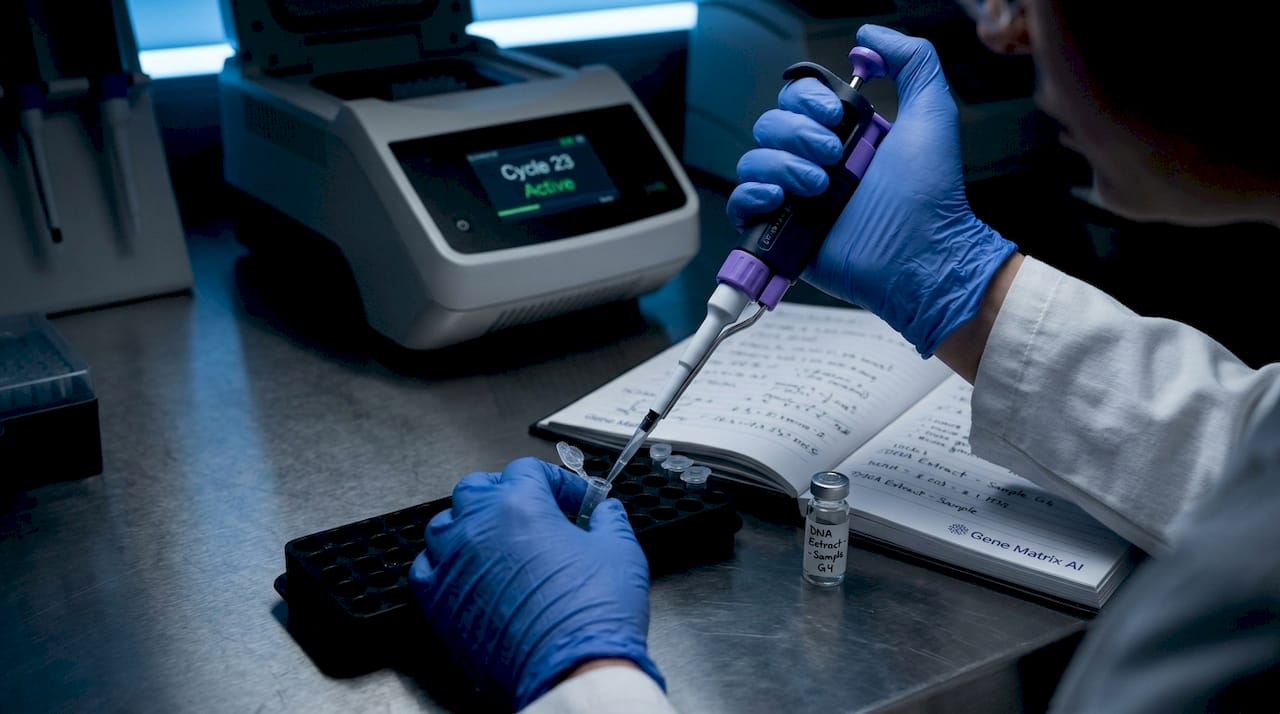
Genetic variation affects medication response primarily through two pathways: pharmacokinetics (what the body does to the drug) and pharmacodynamics (what the drug does to the body). Pharmacokinetics covers absorption, distribution, metabolism, and elimination. Pharmacodynamics covers how a drug binds to its target receptor and triggers a biological effect. Both pathways are shaped by inherited variants, though the clinical evidence is far stronger on the pharmacokinetic side.
The cytochrome P450 enzyme family handles the metabolism of roughly 75% of all prescribed drugs. Within that family, CYP2D6 and CYP2C19 carry the most actionable pharmacogenomic evidence for clinical use. Variants in these genes produce four recognized metabolizer phenotypes:
- Poor metabolizers: Carry two non-functional gene copies. Enzymes work at minimal or zero capacity, causing drugs to accumulate and raising toxicity risk.
- Intermediate metabolizers: Carry one reduced-function copy. Drug clearance is slower than average but not absent.
- Normal (extensive) metabolizers: Carry two functional copies. Standard dosing applies.
- Ultrarapid metabolizers: Carry extra functional copies through gene duplication. Drugs clear so fast that standard doses produce no therapeutic effect.
DPWG 2026 guidelines quantify these differences precisely. For tricyclic antidepressants like amitriptyline, poor metabolizers require dose reductions to roughly 30% of the standard dose, while ultrarapid metabolizers may need doses up to 160% of normal to achieve the same plasma concentration. These are not minor tweaks. They represent a fivefold difference in the amount of drug a patient needs.
Pro Tip: Ask your prescribing physician whether any new medication you are starting is metabolized by CYP2D6 or CYP2C19. If it is, a simple cheek swab test can identify your metabolizer status before your first dose.
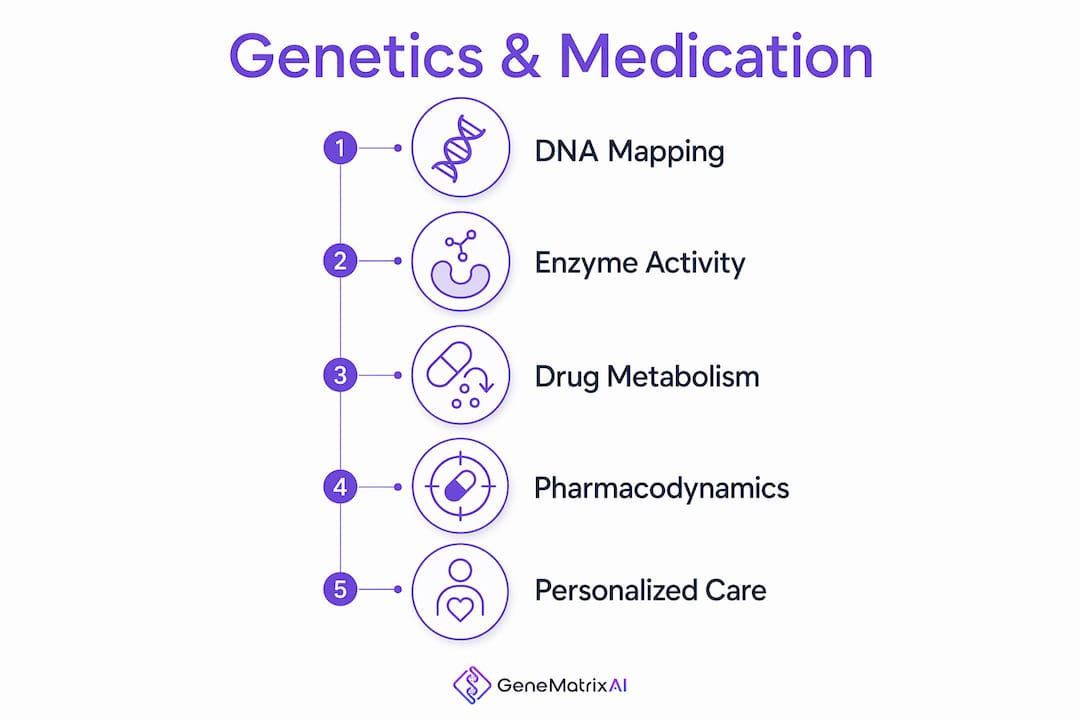
One additional complexity worth knowing: phenoconversion. Phenoconversion occurs when other drugs or environmental factors alter enzyme activity beyond what your genetics predict. A normal metabolizer taking a strong CYP2D6 inhibitor like fluoxetine can functionally behave like a poor metabolizer. Genetic test results must always be interpreted alongside a full medication list.
How genetics influence drug targets and pharmacodynamics
Pharmacodynamic gene variants affect how a drug interacts with its receptor or target site, rather than how quickly the drug is cleared. The distinction matters clinically because a drug can reach the right concentration in your blood and still fail to work if the target receptor is structurally different.
The evidence here is more complicated. Pharmacogenomic testing in psychiatry shows that pharmacodynamic markers produce inconsistent or modest associations compared to pharmacokinetic markers. Receptor gene variants for serotonin transporters (SLC6A4) and dopamine receptors (DRD2) have been studied extensively in antidepressant and antipsychotic research, but their predictive value in clinical practice remains limited.
This does not mean pharmacodynamics is irrelevant. It means the field is earlier in its development. Several pharmacodynamic associations are well established:
- VKORC1 and warfarin: Variants in this gene affect sensitivity to warfarin's anticoagulant effect independent of metabolism, directly influencing the dose needed to reach a safe therapeutic range.
- GLP1R missense variants: A 2026 genome-wide association study found that each copy of a specific GLP1R effect allele was associated with approximately 0.76 kg of additional weight loss in patients taking GLP-1 receptor agonists like semaglutide.
- Opioid receptor variants: OPRM1 gene differences alter pain sensitivity and opioid binding affinity, contributing to variable pain control outcomes.
The practical takeaway is that pharmacokinetic testing currently delivers the most reliable clinical guidance, while pharmacodynamic testing adds useful context for specific drug classes.
Clinical examples where genetic factors and drug efficacy intersect
Real-world cases make the stakes concrete. The following comparison shows how the same drug class produces radically different outcomes based on genetic profile.
| Drug / Drug Class | Gene(s) Involved | Effect of Variant |
|---|---|---|
| Tricyclic antidepressants | CYP2D6 | Poor metabolizers face toxicity at standard doses; ultrarapid metabolizers see no effect |
| Warfarin | CYP2C9, VKORC1 | Variants alter both metabolism and receptor sensitivity, requiring individualized dosing |
| Codeine (opioid) | CYP2D6 | Ultrarapid metabolizers convert codeine to morphine too rapidly, creating overdose risk |
| Capecitabine / 5-FU (cancer therapy) | DPYD | DPYD variants reduce enzyme activity, causing severe toxicity at standard oncology doses |
| GLP-1 receptor agonists | GLP1R | Missense variants predict enhanced weight loss response to semaglutide and similar drugs |
Warfarin is the most studied example. CYP2C9 variants slow warfarin metabolism, raising plasma levels and bleeding risk. VKORC1 variants change how sensitive the clotting pathway is to warfarin's effect. Clinicians who ignore both genes when initiating warfarin therapy are essentially guessing at the dose. Personalized antidepressant dosing guided by CYP2D6 status follows the same logic: match the dose to the patient's actual enzyme capacity, not a population average.
The DPYD example is particularly urgent in oncology. Patients with reduced DPYD activity who receive standard doses of fluoropyrimidine chemotherapy face life-threatening toxicity. Pre-treatment DPYD testing is now recommended in several national guidelines precisely because the genetic risk is predictable and the consequence of ignoring it is severe.
Pro Tip: If you are starting warfarin, a chemotherapy regimen containing 5-FU or capecitabine, or a psychiatric medication, ask specifically about pharmacogenomic testing before your first dose. These are the drug classes with the strongest evidence base for genetic guidance.
What are the real limitations of genetic testing for drug response?
Genetics is a powerful input, not a complete answer. A 2026 randomized clinical trial involving 351 participants tested whether CYP2D6-guided opioid prescribing improved postoperative pain control. The genotype-based recommendations changed prescribing decisions, but pain levels and opioid consumption were similar between the guided group and the control group. This result is not a failure of pharmacogenomics. It is a reminder that postoperative pain is managed through multimodal care, nursing protocols, patient psychology, and drug choice simultaneously. Genetics is one variable in a complex system.
Several other limitations deserve direct acknowledgment:
- Drug and gene specificity: Pharmacogenomic tests apply to specific drug-gene pairs, not to all medications. A CYP2D6 result tells you nothing about how you will respond to a drug metabolized by CYP3A4.
- Phenoconversion: Your genetic phenotype and your functional phenotype can diverge when interacting drugs or liver disease alter enzyme activity.
- Non-genetic factors: Age, kidney function, body composition, diet, and adherence all shape drug response independently of genetics.
- Evolving evidence: CYP2D6 and CYP2C19 remain the most clinically validated markers in psychiatry, but the field is expanding rapidly. Guidelines from 2024 may already be outdated by 2026.
"Pharmacogenomic testing primarily shifts exposure and adverse event risk from genotype to medication regimen, but clinical outcomes depend on multiple non-genetic factors requiring a whole-patient treatment approach."
The strongest use case for genetic testing today is identifying patients at high risk of serious adverse events before they occur. Predicting which patient will respond better to drug A versus drug B remains a harder problem, and one the field has not fully solved.
Key takeaways
Genetics shapes medication response through enzyme activity, receptor sensitivity, and drug clearance speed, making pharmacogenomic testing a practical tool for reducing adverse events and improving dosing precision.
| Point | Details |
|---|---|
| Pharmacokinetics drives most clinical value | CYP2D6 and CYP2C19 variants produce the strongest, most actionable evidence for dose adjustment. |
| Dose differences are large, not marginal | DPWG guidelines show a fivefold dose range for tricyclic antidepressants based on metabolizer status alone. |
| Pharmacodynamics adds context, not certainty | GLP1R and VKORC1 variants influence drug effect at the target, but evidence is drug-specific. |
| Phenoconversion complicates genetic predictions | Other drugs and liver conditions can override your genetic phenotype, requiring clinical interpretation. |
| Genetics is one input, not the whole picture | Clinical trials show genotype-guided prescribing does not always improve outcomes where multimodal care already dominates. |
What I've learned about genetics and personalized medicine in practice
Working at the intersection of genomics and clinical care, I have seen the same pattern repeat: patients who struggled for months on the wrong antidepressant dose, or who experienced unexpected toxicity from a standard chemotherapy regimen, often had a genetic explanation that was never checked. The test existed. The guideline existed. Nobody ordered it.
The honest truth about pharmacogenomics is that it is most powerful when used proactively, before the first prescription, not as a forensic tool after something goes wrong. The evidence for CYP2D6 and CYP2C19 in psychiatry and for DPYD in oncology is strong enough today that waiting for a bad outcome before testing is a clinical choice, not a necessity.
What I push back on is the expectation that a single genetic test will solve everything. Patients sometimes arrive hoping their DNA will explain every medication failure they have ever had. Genetics explains some of it, sometimes a large portion. But environment, adherence, comorbidities, and drug interactions fill in the rest. The most useful frame is this: genetics tells you where to start, not where to stop.
The technology is improving fast. Platforms like Genematrix's GeneMatrixAI, trained on 500,000+ genetic profiles, are making it possible to get drug-gene interaction reports within 72 hours rather than weeks. That speed changes the clinical calculus. When results arrive before the second prescription is written, they actually influence care. I expect the next five years to shift pharmacogenomic testing from a specialty consultation to a standard pre-prescription step for high-risk drug classes.
— Tarek
How Genematrix helps you act on your genetic profile

Genematrix is a Chicago-based, CLIA-certified biotechnology company built specifically to translate genetic data into prescribing decisions. Their GenePGx module delivers pharmacogenomic reports covering drug-gene interactions across psychiatry, oncology, cardiology, and pain management. The GeneMatrixAI platform, trained on 500,000+ genetic profiles, returns personalized medication insights within 72 hours. For patients managing complex medication regimens or preparing to start a high-risk drug class, Genematrix provides the genetic context your physician needs before the first dose. You can also manage your genomic health data through the GeneMatrixAI mobile app, available on iOS and Android, giving you and your care team on-demand access to your results.
FAQ
What does pharmacogenomics mean?
Pharmacogenomics is the study of how inherited genetic variants alter an individual's response to medications, covering both drug metabolism speed and drug target sensitivity. It is the formal term for what most people mean when they ask why genetics affect medication response.
Which genes most commonly affect how drugs work?
CYP2D6 and CYP2C19 are the most clinically validated genes for drug metabolism, influencing response to antidepressants, antipsychotics, opioids, and antiplatelet drugs. VKORC1 and CYP2C9 are critical for warfarin dosing, and DPYD is essential before fluoropyrimidine chemotherapy.
Can a genetic test predict whether a medication will work for me?
A pharmacogenomic test can predict how quickly your body will process a drug and whether you are at elevated risk for adverse effects, but it cannot guarantee efficacy. Genetic testing identifies drug-gene pairs with the strongest evidence, not universal medication compatibility.
What is phenoconversion and why does it matter?
Phenoconversion occurs when a drug interaction or medical condition changes your functional enzyme activity beyond what your genetics predict. A patient who tests as a normal CYP2D6 metabolizer can behave like a poor metabolizer while taking a strong enzyme inhibitor, so genetic results always need clinical context.
How do I get pharmacogenomic testing?
Pharmacogenomic testing is available through CLIA-certified laboratories and can be ordered by your physician or directly through services like Genematrix's GenePGx module. Results typically cover dozens of drug-gene interactions and are delivered as a clinical report your provider can use to guide prescribing decisions.